Recent Advancements in AI
A 2019 snapshot of major AI breakthroughs across text, image, audio, and video generation, with practical startup use cases.
- Snapshot
- 2019
- Scope
- Generative AI
- Areas
- Text/Image/Audio/Video
- Source
- Medium
If you are looking to build an AI startup or want to see where AI currently stands, this article might be for you.
AI needs no introduction. It is in the news all the time. In 2019, many of us were waiting for a headline like “DeepMind or OpenAI finally developed AGI.” Some people believed AGI was around the corner, and others believed it would take much longer. Who knows.
While waiting for AGI, I wanted to share a list of recent breakthroughs that were already transforming industries, especially around content generation.
The AGI Question
In 2019, a lot of people were waiting for a headline like “DeepMind or OpenAI finally developed AGI.” While that did not arrive, the field was already moving quickly across commercially useful content-generation systems.
This list is a historical snapshot, not a current survey, but it captures where practical AI felt headed in 2019.
Text Generation
I do not want to talk about text generation without mentioning OpenAI’s GPT-2. It could generate convincingly realistic text, and despite the hype and ethical debates, it opened up many commercial possibilities.
- Fan fiction generation: Give a model context and let it build fiction around it, or keep guiding the story interactively.
- Content aggregation: Use a model to rewrite or adapt large amounts of collected content for a different context.
- Automated news generation: Social media events can become news seeds, and models can turn those signals into article drafts.
- Personalized articles: A news article could be adapted to a reader’s vocabulary or preferred style.
- Automated storylines for games: With enough data about a fictional universe, a model could generate custom storylines or alternate endings.
Image Generation
Images make up a large part of the internet. Designers, artists, game developers, and creators all use images to communicate and earn a livelihood, so image generation has obvious commercial value.
- Face generation: Realistic synthetic faces can be used for game characters, simulations, or rapid concepting.
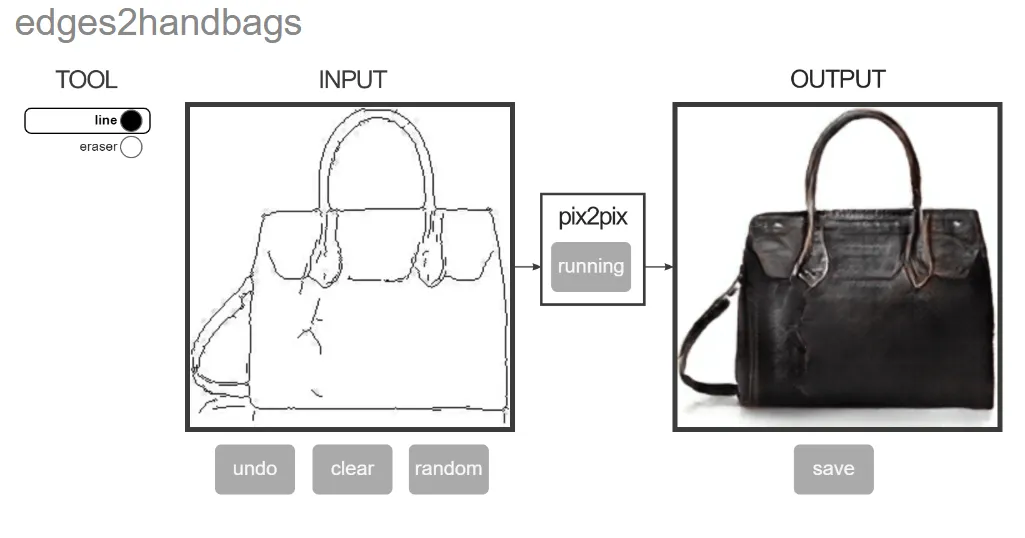
- Sketch to concept: Concept artists can sketch rough ideas and use AI to suggest finished-looking directions.
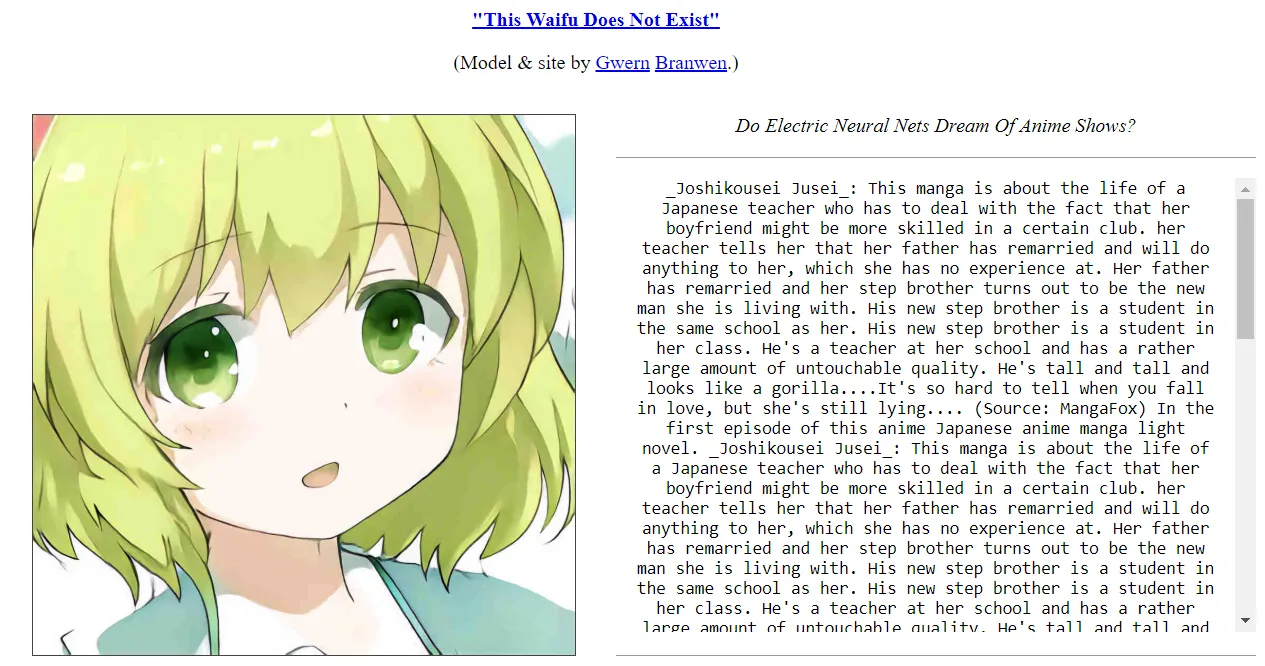
- Anime face and eye generation: Anime character design takes time, and GANs can quickly generate many variations.
- Fashion transfer: AI can help people preview clothes, makeup, hair styles, or hair color before trying them physically.
- Photography: Broken image recovery, denoising, super-resolution, and low-light enhancement were already moving into modern smartphones.
Pix2Pix: From Sketch to Reality
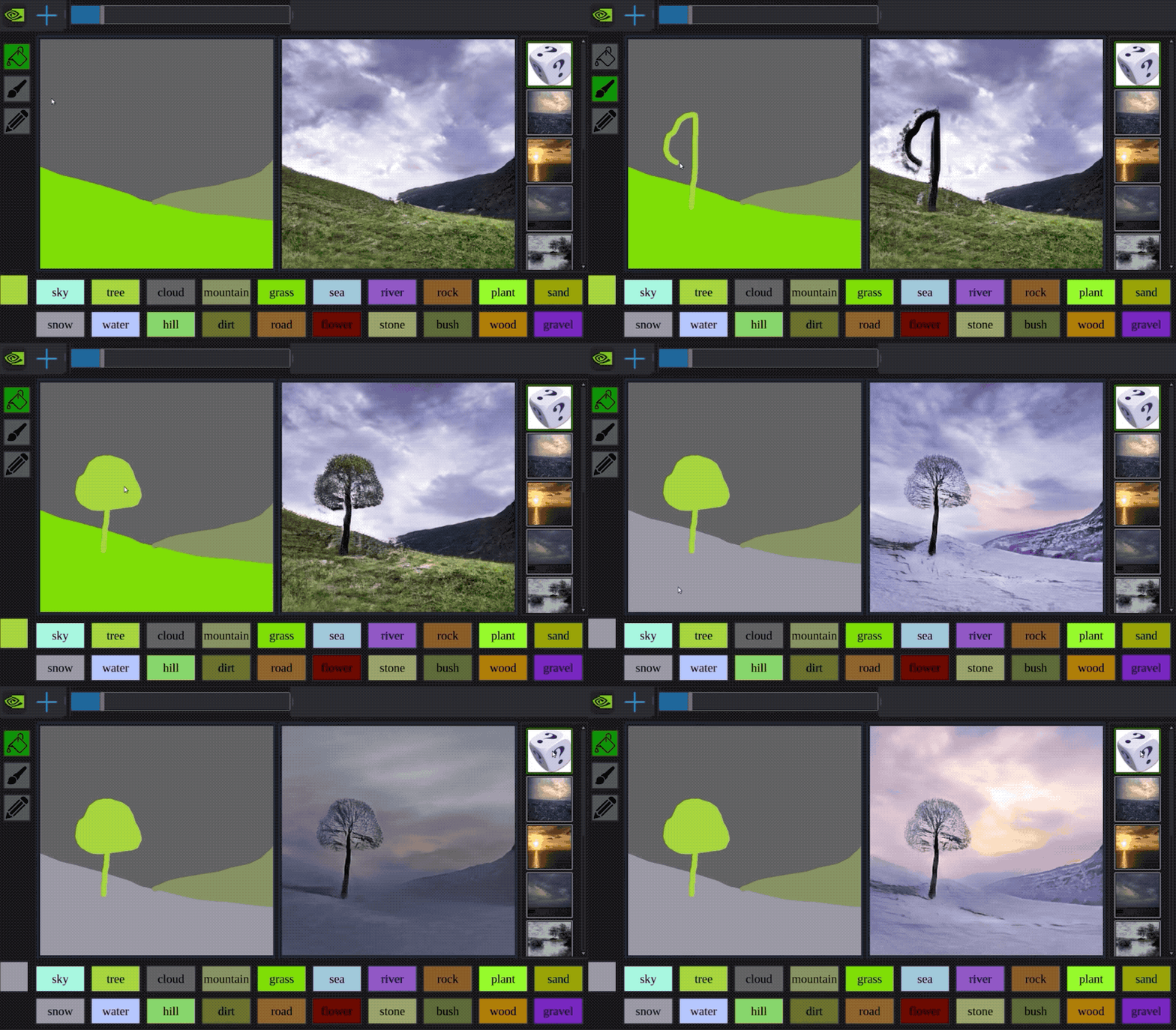
GauGAN: Turning Sketches into Landscapes
Audio Generation
Audio is another kind of content we consume every day, whether it is speech, podcasts, or music.
- Music composition and synthesis: Systems such as Magenta and MuseNet showed how models could compose or synthesize music under constraints.
- Speech synthesis: Realistic speech synthesis improved quickly, including research into voice transfer, speech editing, and end-to-end translation that preserves voice characteristics.
MuseNet Demo
OpenAI’s MuseNet showed how AI could compose multi-instrument music under stylistic constraints.
Video and Animation Generation
Video is the most consumed content format online, and AI was already moving into video editing, animation, and generation workflows.
- Video style transfer: Convert one kind of video into another style, or use rough annotations as creative guidance.
- Face style transfer: DeepFakes made face swapping widely visible, and related work explored speech style transfer too.
- Realistic animation: AI can animate objects and help reduce manual effort in 3D animation and game development.
- 3D modelling: GANs can generate many synthetic characters, houses, buildings, and other 3D assets.
That Is It?
No. This barely scratches the surface. I did not even touch game playing, virtual YouTubers, virtual models, self-driving systems, and many other areas.
The 2019 AI Revolution in Summary
From text generation that could write stories, to image synthesis creating faces that did not exist, to music composition and video style transfer, 2019 already looked like the start of a content creation shift across gaming, entertainment, fashion, photography, and media.
Thanks for reading. If you have suggestions or would add something to the list, let me know.